Birch
Beth (BEH) Birch

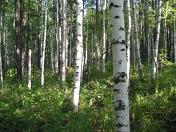
The Tree ~ Beth ~ Birch
First Consonant
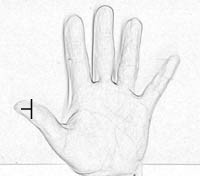
Place on the Hand ~ Tip of Thumb
Color ~ Bani ~ White
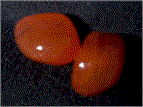
Stone ~ Red Carnelian ~ Red Sard
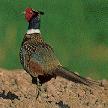
Bird ~ Besan ~ Pheasant
Goddesses ~ Britomartis (Moon Goddess) ~ Sadb (Deer Goddess) ~ Artemis
Symbols ~ Birch twigs tied with red cord
Planet ~ Hygieia, Sun, Venus
Note ~ e
Metal ~ Gold
Day of the Week ~ Sunday
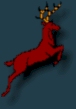
Animal ~ Stag
Message ~ You may begin
Word Ogham ~ Purification, origins, sources
Flower Essence ~ Beech, Vine, Rock Water
The first consonant of the tree alphabet. Focus word - inception. It is the first tree of the year with exception to alder, to leaf. It is a maker and setter of boundaries. Knowing one's own boundaries and limitations, so that they can be stretched; knowing one's own energy boundaries is primary to development. Birch represents the Sun who finds a partner in Rowan and resonates with Silver Birch whose trunk is the color of the Moon. (Fruit's of The Moon Tree) It's branches are used to expel evil spirits. The branches toughen late in the year. Used in rituals to drive out spirit of old year. It is the tree of inception (earliest forest tree).
It's white bark can be used to start fires and to make canoes by the American Indians. It is a goddess tree. (Gentle Arts of Aquarian Magic, page 188).
Gender - (silver birch - feminine, planet - Venus, element - water). Deity - Thor. Also called "Lady of the Woods”. Used for protection, exorcism and purification. Given as a sign of encouragement for lovers. Cunningham, Encyclopedia of Herbs
Birch has to do with new beginnings, inception or birth of things or people. The energizing or revitalizing effect of this power provides for the protective aspect of the birch. It has the power to “drive out” evil or corrupting influences by means of its eternally vital life-force. The birch tells you to realize the new and good by shearing the old and detrimental. There is great strength and resilience within you. There may be choices to make. The birch is a very lucky tree and is a sign of general good fortune. However, the challenge of the birch is the need to deal with constant change and loss of familiar things as time goes on. You must learn to trust and to lose this fear of the unknown.
Botanical Information
The silver birch is the most common tree in much of Europe. It can grow up to 100 feet high. It is one of the first trees to move in and begin new growth in an area after it has been cleared, and is probably why it has a symbolic connection to new beginnings. It is grown under cultivation in North America. The common birch is almost as widespread as the silver birch, but it grows in acid soils. It can grow 65 feet in height.
Why is the Pheasant at the head of the consonants? Not hard. This is the month of which Amergin sang: "I am the Stag of Seven Tines"; and as venison is the best flesh that runs, so Pheasant is the best that flies. And White is the color of the Stag and of the Pheasant.
The Pheasant was the best available bird for the B month, bran the raven and bunnan the bittern being better suited to later months of the year. The author of the article on pheasants in the Encyclopedia Britannica states that pheasants (sacred birds in Greece) are likely to have been indigenous to the British Isles and that the white, or "Bohemian", variety often appears among pheasants of ordinary plumage.
I AM A STAG OF SEVEN TINES
Welcome, welcome, welcome all ye here;
Welcome, welcome, welcome in the year
Dark is the night and chill the winter wind,
Crisp the snow on the barren furrow;
Bring in the Yule Log, make the fire bright,
We shall wish for a warm tomorrow.
Over the fire the branches dangle
Of holly bright that is King tonight;
Red is the berry, green the prickle,
The sacred mistletoe glowing white.
Now we may feast and pass the Wassail Cup,
Sing the ballad with joy and mirth,
Soon we shall sleep and dream the night away,
Gathering strength for the Spring's rebirth.
On the earth, on the air, Through the fire, by the water, I am STRENGTH, the third month's daughter.
© Chris Carol 1979. © 1948, 1966 by International Authors N.Y.
Birch Tree by Angela Donyea Southam
"Have you ever seen the moon rise behind a Birch tree on a winters or snow filled winters night?
The tree glows its silver message, it talks of the very spirit of the earth, and it is here that a seemingly common tree then commands the attention of all who witness the sight. In these cold northern climes when the days do not come light and holly and ivy reminds us of the green that will come again then birch offers a unique gift - its silver light - working with the moon it shines bright - giving a light that at times seems brighter and purer than the poor light the sun offers us.
Above all the brief times that the birch offers this gift shows a time of magic and mystery, a stand of birch trees becomes a gateway to the world of the shining ones, while at the same time it seems to have star dust in its branches - I know the effect its light has on me, it holds me as though spellbound while its beauty lifts my spirits. Well can I understand that this is the tree of new beginnings and well can I understand its authority.
The birch is one of only 50 trees that are native to the Isles and as such was also prized for its unique properties. My favorite property of the birch is its bark - it grows not from top to bottom but seems to spiral around the tree - this not only makes it possible to harvest but flexible and strong to work with. Many containers and baskets have been made from birch and its here we see yet another gift - the properties of the bark also become a preservative - keeping the food fresher for longer periods. It is also very resilient to water an added boon in such a wet land. The bark also offered healing, its can be used much the same way a plaster cast is used today and the sap remaining in the bark was said to speed that healing.
In wild woods the birch alongside other trees grows quickly, it spirals its way to the top of the forest canopy competing for light but as its growth is so quick and competition so fierce it rarely lived a long life, it compensated by spreading its seed far and successfully. Learning the properties and using them allowed our ancestors an easy and more successful life and so they took the tree away from the wild wood. They built hills protected by ditches to keep grazing cattle away - they grew the birch alongside other trees prized for their gifts and coppiced the young trees - in doing so they left their mark on the landscape I see today but also on the tree itself - because a coppiced tree lives hundreds of years longer than its wild counterpart. And so my ancestors have gifted me ancient groves of trees that bare their mark - and trees that look young but are ancient beyond belief - trees that grow in outward spreading circles that have a unique feel and a remembrance of a time when we worked with the land not against it." Thanks, Ange....